Güssing, Austria

Güssing, Austria

  • Target: 100% renewable energy self-sufficiency.
  • Status: Achieved
  • RES: Biomass cogeneration and district heating system.
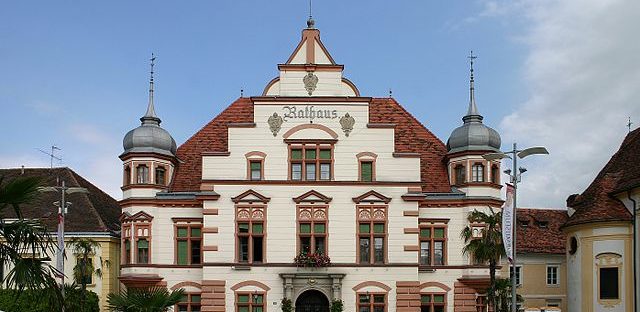
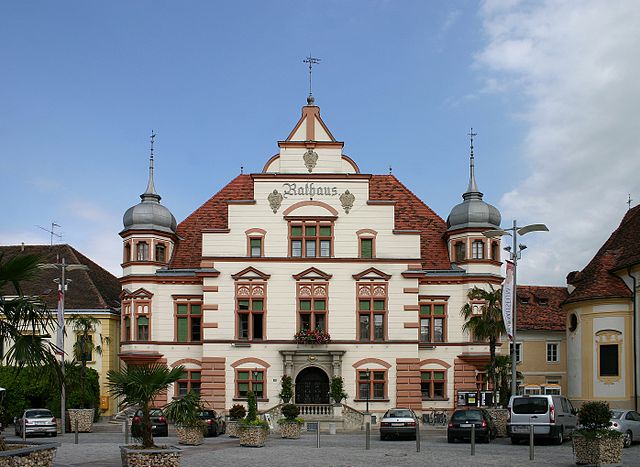
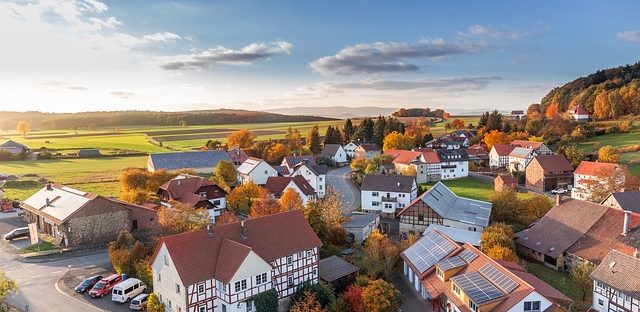
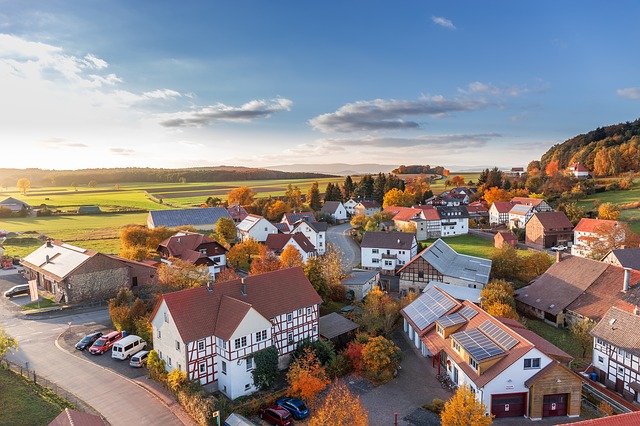
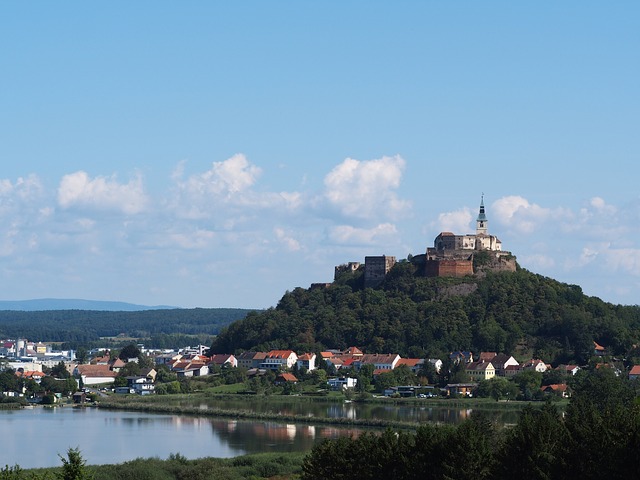
  • Implementation: Güssing is a small town in Austria, near the Hungarian border. Years ago, the town was struggling to pay for energy costs, today it is a trendsetter in the production renewable energies, particular in biomass gasification technology. Güssing implemented a renewable energy plan as part of an overall regional economic development and re-development plan. It started with a energy efficiency program in 1990, the town laid out plans to keep jobs and money in the area by taking ownership of their energy usage and production. The municipality would switch all the streetlights to LED and retrofit all the public buildings with new windows and insulation over a decade. The town also decided to stop using power produced by fossil fuels. Güssing’s agricultural and forestry provided the organic material for fuelling the community operated biomass district heating grids and in 2001, it began producing electricity and biogas in the world’s first functioning FICFB (Fast Internally Circulating Fluidized Bed) plant. Güssing’s success has let the way for the entire region of Burgenland to follow as energy prosumers. In 2013, the entire region produced enough locally produced electricity to cover demand. Güssing itself has become a tourist attraction for the renewable energy field, experiencing several hundred ecotourists a year. There have also been a substantial amount of businesses being established in, or have moved to, the region, resulting in an increase of local employment. The town now has 60 new companies, 1,500 new jobs, and annual revenues of $17 million due to energy sales. Güssing’s successes also attracted R&D, in particular was the foundation of the European Center for Renewable Energy founded in 1996 and remains central to Güssing's renewable energy industry today.
  • Population: 3,660 (2016)
  • Area: 49.31 km2 (19.04 sq mi)
  • Link: https://pocacito.eu/sites/default/files/ModelGüssing_Güssing.pdf
Güssing, Austria

Hartberg, Austria

Hartberg, Austria

  • Target: 100% CO2 neutral by 2020.
  • Status: Achieved
  • RES: District heating system, biomass energy, and solar thermal and photovoltaic panels on all roofs.
  • Implementation: The city of Hartberg in Austria has set a 100% CO2-neutral target to include all buildings, industry as well as private households. The target is based on the CO2-neutral concept, elaborated by Joanneum Research, which had shown that a non-carbon society is not only necessary to mitigate climate change, but can also be extremely beneficial in terms of local added value. For the past 20 years, several measures have been implemented by the city.  In 2015, many important milestones were achieved, including supplying heat to all buildings through a district heating system that runs on woodchips, purchasing only renewable electricity from hydro-, wind- and solar power stations,  installing as much solar-thermal energy as possible and covering all available roof-surfaces with photovoltaic-cells. The involvement of different stakeholders was instrumental in Hartberg's success. Discussions were extensive and included private individuals, universities, energy experts, car-sharing providers, e-car pioneers, biogas pioneers, and so forth. However the most important partners in such a project were the local politicians, the local authorities, the district heating supplier and a local utility company.
  • Population: 6,534 (2016)
  • Area: 21.58 km2 (8.33 sq mi)
Hartberg, Austria

Hawaii, USA

Waikiki, Hawaii, USA

  • Target: 100% RE by 2045 in the electricity sector, with several interim benchmarks.
  • Status: In progress
  • RES: Solar power and wind power.
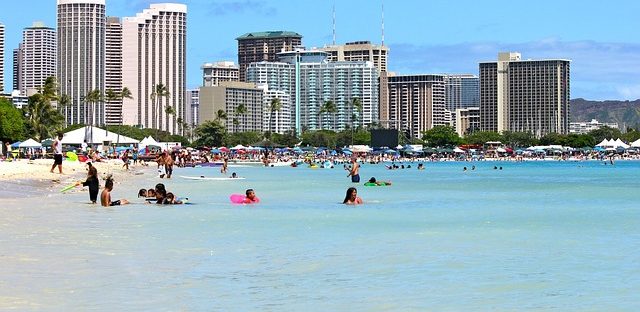
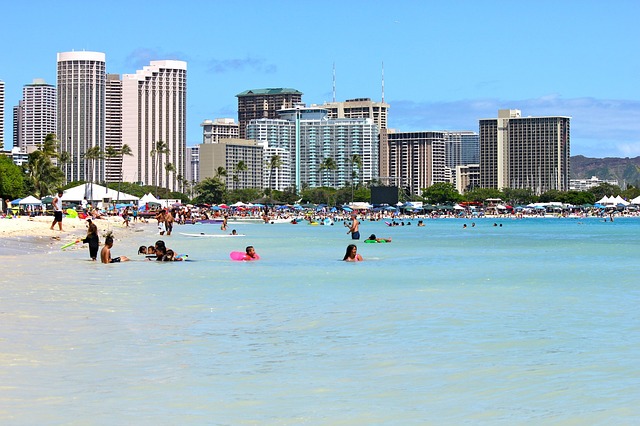
  • Implementation: In 2012, Hawaii was importing 93% of the energy it consumed and in 2013, the state had the highest electricity prices in the nation, more than three times higher than the average electricity price in the mainland states. In 2012, 71% of the electricity produced in the Hawaii was generated with oil, and in 2012 only 18% with renewable energy sources. By 2014, cost competitiveness of renewable energy technology was driving considerable increase in renewable energy uptake on the Hawaii islands. According to the US EIA, wind is estimated to be able to deliver electricity at a price of 7 ¢/kWh, similarly geothermal at approximately 10 ¢/kWh and utility scale solar PV at approximately 16 ¢/kWh. This is compared to the price of oil-generated electricity which was averaging 34 ¢/kWh in 2014. From 2007 to 2013, solar power generation across the islands went from 8 GWh in 2007 to 404 GWh, while wind power generation more than doubled. In 2015, a joint House-Senate committee in Hawaii agreed on House Bill 623 to set a 100% RE target and became the first US state to commit to this goal. In May of that year, Hawaii’s state legislature committed that the target be reached by 2045, with an interim goals of 30 % RE by 2020, 40 % RE by 2030, and 70 % RE by 2040. (Hawaii's renewable energy plan builds on earlier energy policy frameworks established in 2009, which set two definitive targets: cover 40% of the island needs for electricity only with renewable energy sources by 2030, and at the same time reduce electricity consumption by 30% by implementing Energy Efficiency Portfolio Standards.)
  • Population: 1,427,538 (2017)
  • Area: 10,931 sq mi (28,311 km2)
  • Link: http://www.transverter.com/REACH7.pdf
Waikiki, Hawaii, USA

Hessen (State), Germany

Hessen (State), Germany

  • Target: 100% renewable electricity and heat by 2050
  • Status: In progress
  • RES: Wind power, hydropower, biomass, biofuels, solar thermal and PV and district heating systems.
  • Implementation: In 2010, the State of Hessen in Germany made the commitment to transition to 20% renewable heat and power by 2020. However, a more drastic change in policy was in order due to the concerns on the impact of climate change and the events of nuclear disaster in Fukushima. The move away from fossil and nuclear power towards renewable energy and accelerated energy efficiency became imperative. In January 2012, a strategy was therefore presented on how to achieve 100% renewable electricity and heat by 2050. Essential to the strategy was to increase the energy efficiency and to restructure the existing energy system from a central to a decentralised one with smaller, more flexible power plant units. At the same time, the energy network will be expanded and adapted to meet the new requirements.

    The energy transition will require the support and active participation of the private households, municipalities and businesses. To do so, the government has developed concepts to support its citizens and stakeholders with tailored investing, non-investment projects, comprehensive information and counselling services, and legislative initiatives at the federal level. Since 2012, the state government has dedicated a budget of 80 million euros for relevant energy projects. The strategy will call for the expansion of renewable energy installations, particularly in wind, solar and biomass, and the integration of smart energy management systems.
  • Population: 6,243,262 (2017)
  • Area: 21,100 km2(8,100 sq mi)
  • Link: https://www.energieland.hessen.de/Home
Hessen (State), Germany

Hokkaido, Japan

Hakodate, Hokkaido, Japan

  • Target: 100% energy self-sufficiency by 2050.
  • Status: In progress
  • RES: Wind and biomass energy.
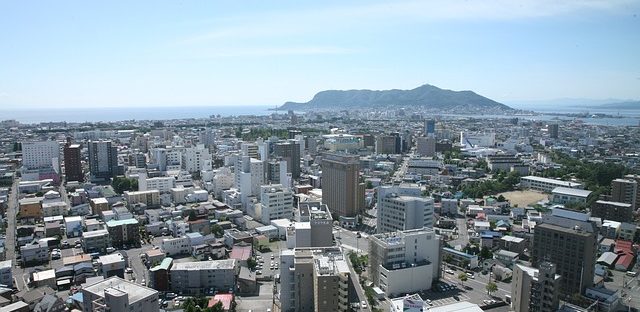
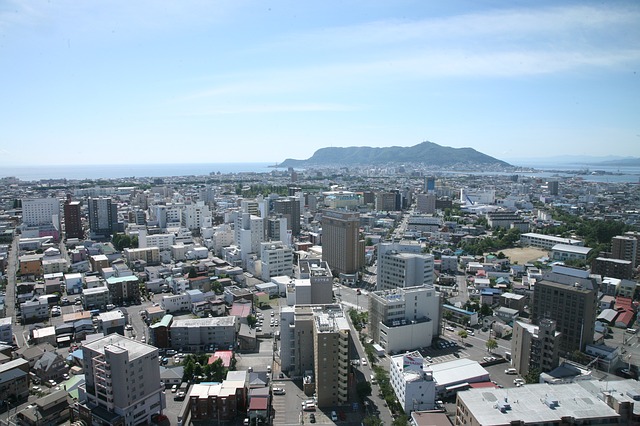
  • Implementation: Hokkaido is the second largest of the four main Japanese islands, and the largest of its 47 prefectures. Hokkaido is recognised as having great potential for renewable energies, notably wind energy and biomass.  Its economy is based on agriculture and the timber industry (22% of Japan's forests is located on the island). According to a 2011 study by the Japanese Ministry of Environment, the island has the potential to generate a quarter of the whole country’s renewable energy production, with half of it from onshore and a quarter of it from offshore wind power generation. Several pioneer projects have already implemented on the island since 2001. Among those facilities are the first community-based wind power installation in Japan. Indeed Hokkaido's efforts began on March 11th, 2011 when the Fukushima Daiichi nuclear disaster strengthened the will of Hokkaido’s citizens to transition to a non-nuclear society. It triggered the creation of the Hokkaido Energy Transition 100 Project, a project which quickly released a step-by-step roadmap to 100% renewable energies for electricity production on the island through energy efficiency and community based production of energy.  In 2010, Hokkaido Island still relied mainly on nuclear power (43,8%), and thermal power (33,8%). The share of renewable was of 22,9%, where hydro power constituted 22,1%. The Hokkaido roadmap would diversify the renewable energy sources of the island with solar, biomass, geothermal and especially wind power generation. The roadmap would also outline short, mid and long term objectives to reach for energy efficiency: 17% of savings on 2010 basis in 2020, 29% in 2030 and finally, 60% in 2050. To achieve steady implementation, the Plan is promoting the sharing of best practices between inhabitants of the island. Since the beginning of the project, citizens and private businesses have been supporting the project, including the Hokkaido University Sustainable Low-Carbon Society Project. In May 2014,  the “Hokkaido Energy Change 100 Network” was founded with the aim of continuing the steerage of activities towards the 100% target.
  • Population: 5,377,435 (2016)
  • Area: 83,453.57 km(32,221.60 sq mi)
  • Link: https://www.japantimes.co.jp/news/2017/10/14/business/balance-power-shift-toward-renewable-energy-appears-picking-steam/#.XGQGSy3MyIY
Hakodate, Hokkaido, Japan

Iceland

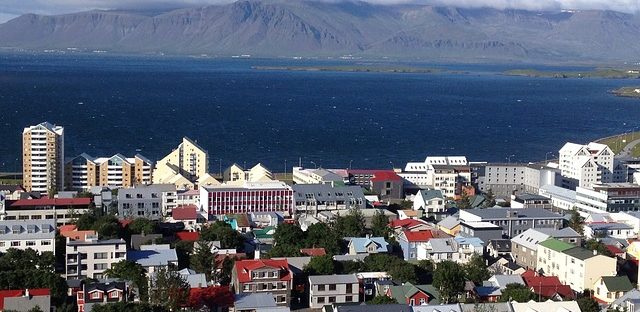
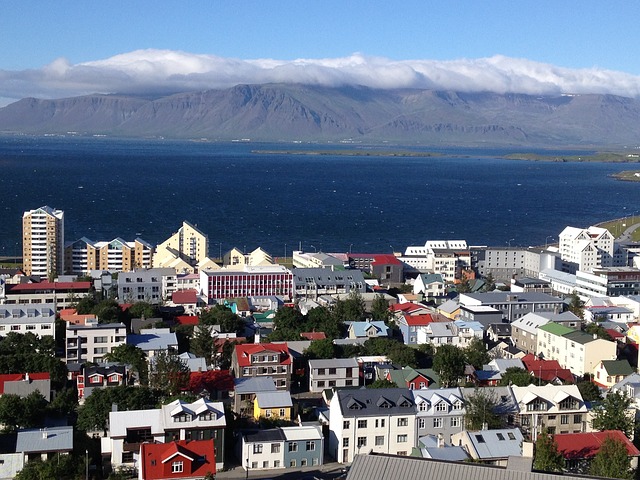
Reykjavik, Iceland

  • Target: 100% renewable energy target in the electricity sector
  • Status: Achieved - >99% of the electricity production and >70% of the total energy production come from hydropower and geothermal sources. The country´s buildings are mostly heated with renewable energy and overall 81% of Iceland’s primary energy is renewable, with the remaining 19% based on oil which is used for transportation.
  • RES: Hydropower and geothermal resources. Iceland is a volcanic island with plentiful geothermal heat.
  • Implementation: The country is successful due to its geothermal-based electricity production. In relation to heating, after geothermal water is used for heating buildings, the rest - pavements and car parking are also heated. The island´s vast geothermal capacity is also enabling regional cooperation with the UK, with the construction of an interconnector into the UK grid currently in discussion. Energy projects have largely been developed as part of the Icelandic Clean Energy initiatives, a Research Fund, a Technology Development Fund and a Strategic Research Programme, which include the involvement of Iceland's Ministry of Education, Science and Culture, Ministry of Finance and Economic Affairs and Ministry of Industry & Innovation.
  • Population: 355,620 (2018)
  • Area: 102,775 km(39,682 sq mi)
  • Link: Iceland's Sustainable Energy Story: A Model for the World?
Reykjavik, Iceland

Inje County, Gangwon, Korea

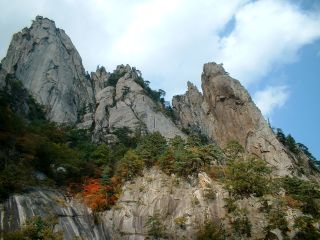
Seoraksan, Inje County, Gangwon, Korea

  • Target: 100% renewable energy by 2045.
  • Status: In progress
  • RES: 6 MW of wind power and 1.7 MW of mini-hydropower.
  • Implementation: The county of Inje in the Province of Gangwon-do is located in the north of the Republic of Korea, bordering with North Korea. The rural county is covered with around 88% of forest. In 2015, Inje County developed the ‘Inje 2045 Zero Energy Independence Plan’, to transform itself into Eco Inje by transitioning to 100% by 2045. To achieve this target, Inje County is taking advantage of its natural environment, particularly its hilly landscapes and water resources. Its Plan would set out five main policy areas: 1) Expansion of New Renewable Energy production, 2) Energy Efficiency, 3) Energy conservation & Creation of Civic culture, 4) Expansion of Carbon Sinks, and 5) Building & Strengthening cooperative foundation. Some of the actions already implemented include 6 MW of wind power and 1.7 MW of mini-hydropower generation capacity. Inje's plan has been strengthened by adopting the best scenario through the '2015-2016 Energy-safe Cities' program in cooperation with ICLEI Korea and other relevant organizations in Korea. One of main challenges for Inje County remains the ability to create solid partnerships among relevant stakeholders such as the private sector, military and residents.
  • Population: 34,120 (2000)
  • Area: 1,646.33 km2(635.65 sq mi)
  • Link: Gangwon Windfarm
Seoraksan, Inje County, Gangwon, Korea

Ithaca, NY, USA

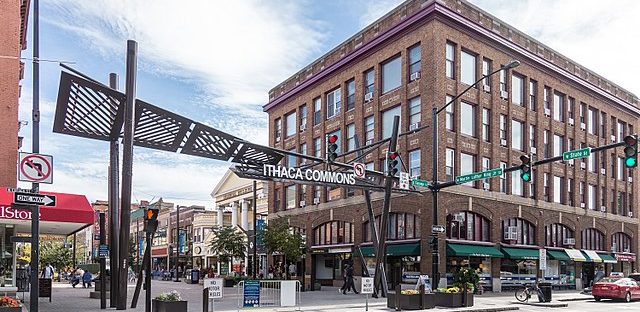
Ithaca, New York, USA

  • Target: 100% renewable energy
  • Status: In progress
  • RES: Varied (via renewable energy certificates)
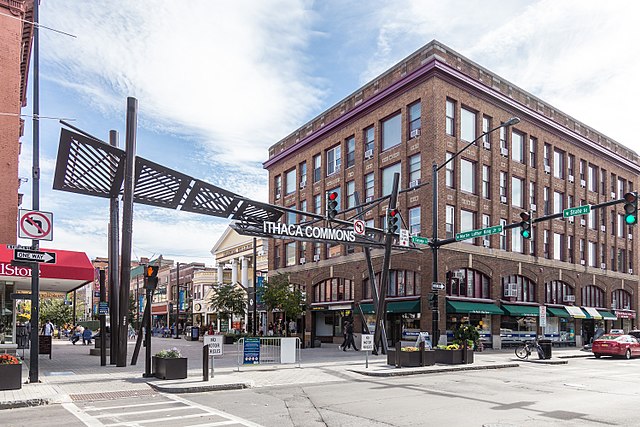
  • Implementation: In January 2012, the City of Ithaca, NY began purchasing Green-e Energy-certified renewable energy credits (RECs) to cover all the electricity demand of its municipal buildings, street lights and traffic lights with renewable electricity. The REC purchase was conducted through Municipal Electric and Gas Alliance Inc. (MEGA), a non-profit aggregator of gas and electricity in which Ithaca participates. Energy aggregators like MEGA bundle participants in order to be able to build buying power and bid for lower prices. In purchasing RECs, the city has helped increase the market for renewable-sourced generation facilities, decrease the generation of greenhouse gases, and offset the city government's emissions. In February 2012, following the implementation of the RECs contract, the City joined EPA's Green Power Partnership program committing to continue to pursue and support renewable energy sources. The city already has a history of implementing renewable energy projects. In 1996, the city installed a geothermal heating and cooling system at the Ithaca Youth Bureau building, which is still being used today, thus reducing energy costs and the use of fossil fuels for heating/cooling. In 2011, the city was awarded a grant to install solar thermal hot water systems on 2 city buildings.
  • Population: 53,661 urban, 101,564 metro (2010)
  • Area: 24.581 sq mi (63.66 km2) urban, 474.649 sq mi (1,229.34 km2) metro
  • Link: https://www.cityofithaca.org/425/Energy
Ithaca, New York, USA

Jämtland County, Sweden

Jämtland, Sweden

  • Target: 100% renewable energy
  • Status: In progress
  • RES: Hydropower, windpower, cogeneration and biofuels.
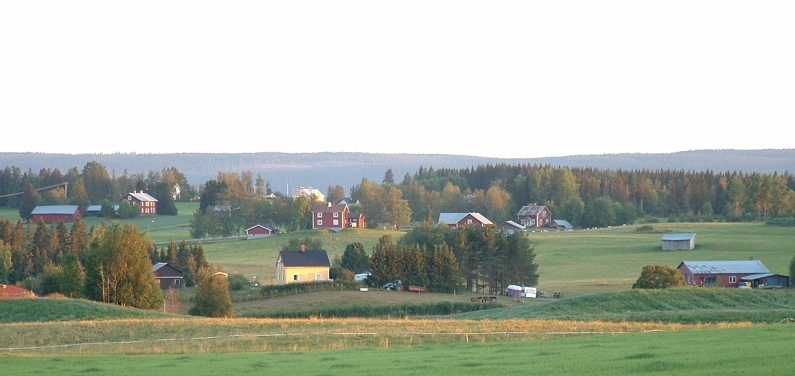
  • Implementation: Jämtland County is the third largest county in Sweden. The largest share of electricity production in Jämtland (93%) is generated from hydropower (11.2 TWh in 2013). The county has 83 hydropower plants. The remaining 5% of electricity generation is based on wind power (0.6 TWh in 2014) and 2% is based on bioenergy (0.2 TWh).

    Jämtland County first became motivated to switch from fossil fuel use during the 1973 oil crisis. At that time, oil made up more than 80% of the heating fuel mix. Today, no heating oil is used. The County’s Energy Agency has provided an educational program about the benefits of renewables, which has encouraged local citizens to make the switch.

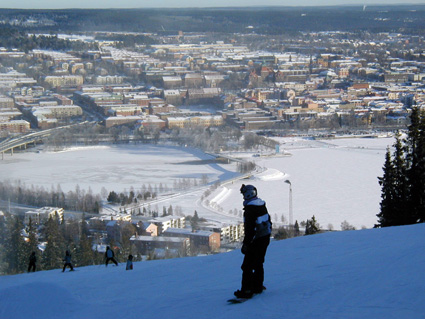
    Due to its abundant forest resources, well-developed infrastructure in forests, expertise in logistics and district heating, Jämtland's bioenergy production is flourishing. There is strong political support and backing by the municipal and regional authorities. Östersund municipality, Jämtland's only city, has facilitated this development by setting ambitious climate change policies and targets and has shown proactive municipal leadership. There is also a high interest among other regional actors (local energy companies, forest owners associations, networks and knowledge institutions) in tapping the new opportunities for utilizing forest- and waste-based biomass in the bioeconomy. Bioenergy expansion is said to be attributed to the use of economic instruments such as a carbon dioxide tax, green electricity certificates, tax exemption for biofuels in transport, and direct investment support. Support for bioenergy started already in the 80s’ when investment grants were given to convert boilers and heat plants from oil to other fuels, including biofuels.

    Overall, stable EU and national regulatory frameworks has been fundamental to advancing the bio-based industries in Jämtland and Sweden in general.
  • Population: 127 376 (2015)
  • Area: 34,009 km²
  • Link: NordRegion Working Paper
Jämtland, Sweden
Östersund, Sweden

Jeju Province, Korea

Jeju Island, Korea

  • Target: 100% renewable electricity and transport, and to be a “carbon-free island" by 2030.
  • Status: In progress
  • RES: Onshore (350 MW) and offshore (1 GW) wind turbines, solar (30 MW), small hydroelectric power plants, and power storage systems. Electric cars, house energy management system (HEMS) and other technologies will also become available for the residents of the islands.
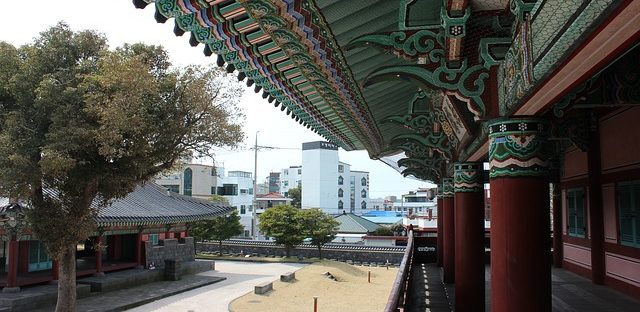
  • Implementation: Jeju self-governing province consists of several islands. In 2012, the Jeju Energy Corporation (JEC) of the Jeju province set the 100% target in order to be independent from the electricity imported from the Korean Peninsula, and to meet all its electricity demand by only renewable energy (RE) sources generated from within the islands. This initiative includes the replacement of the current fossil-fuel fired generator with RE technologies. The JEC aims to achieve the target by: (1) turning Gapa Island, a small island located South of Jeju, into a testing laboratory for Jeju to be the first carbon free island, (2) increase the share of renewable energy in the total energy demand to 50% by 2020, and (3) make Jeju Island a carbon-free city by 2030. The first step in switching Gapa Island to a carbon-free electric grid involved the municipality with central government agencies. The energy demand is met completely from wind turbines and solar photovoltaic systems. Electric vehicles for transport and HEMS have been placed in every household on the island. For the second and third steps, the Korean central government and from local investors will be investing in the installation of renewable energy technologies and smart grid trials. The Jeju Test-Bed for the Grid is a project that will function as a testing platform to improve the integration of RE and energy storage facilities within the grid. A total of 168 companies are participating in the project, which covers approximately 6,000 households throughout Jeju Island. The Jeju’s smart grid will be one of the world’s largest smart grid communities that will allow the testing of advanced smart grid technologies, offering opportunities for R&D, energy storage, and the development of new business models.
  • Population: 604,771 (2014)
  • Area: 1,849 km(714 sq mi)
  • Link: https://www.ecowatch.com/south-koreas-plan-to-have-worlds-first-carbon-free-island-1891165990.html
Jeju Island, Korea