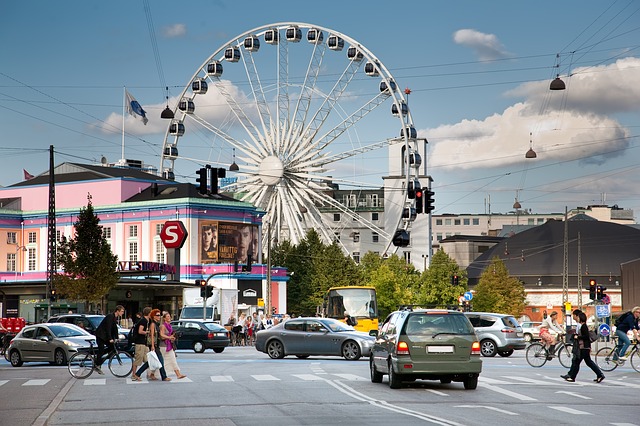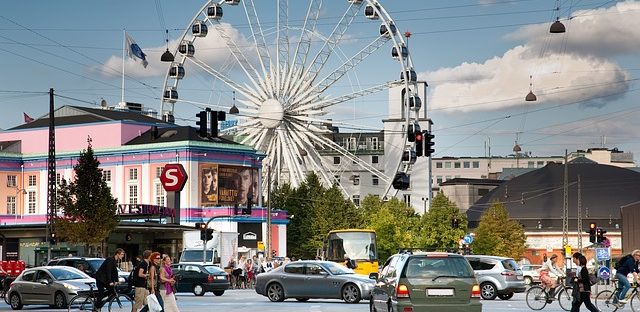
Copenhagen, Denmark

Copenhagen, Denmark

  • Target: Carbon neutral capital by 2025
  • Status: In progress
  • RES: Windpower, solar energy, biomass cogeneration plants, biogas and hybrid buses, electrical and hydrogen-powered cars, and energy retrofitted buildings.
  • Implementation: The city of Copenhagen, Denmark, aims at be a carbon neutral capital by 2025. In 2014, the city received the European Green Capital Award and in 2013 the Climate Leadership Prize. In 2009, Copenhagen City Council adopted a 2015 climate plan for the city, which resulted in a reduction of COemissions by 21% by 2011 in comparison to 2005 figures. To reach the 2025 carbon free target, the city will focus on four main areas: energy consumption, energy production, mobility, and city administration initiatives. It includes the construction of land and offshore wind turbines, energy retrofitted buildings, implementation of Low-Energy Construction in all buildings, and promotion of solar energy. In addition to that, the city plans the switch from coal to biomass in heat and power plants, geothermal plant, more renewable energy in the country´s electricity grid, and the obligation of energy companies to save energy. The capital is also taking into account the stricter European regulations on fuel efficiency, the promotion of cycling, biogas and hybrid buses, and the introduction of electrical and hydrogen-powered cars. The city administration is reducing its own energy consumption in its buildings by 40% in comparison to 2010, and is fuelling all city administration vehicles with electricity, hydrogen, or biofuels.. The constant evaluation and follow-up of the city's Plan is secured through the preparation of an annual report and meeting of various stakeholders for dialogue and benchmarking. In addition to that, three general evaluations of the plan would occur: in 2015-2016 to evaluate the period 2013-2016, in 2019-2020 to evaluate the period 2017-2020, and in 2025-2026 when the final evaluation of the plan will take place.
  • Population: 777,218 (city), 2,057,737 (metro) (2018)
  • Area: 178.46 km2 (68.90 sq mi)(city), 1,767.52 km2(682.44 sq mi)(metro)
  • Link: Carbon Neutral Copenhagen
Copenhagen, Denmark

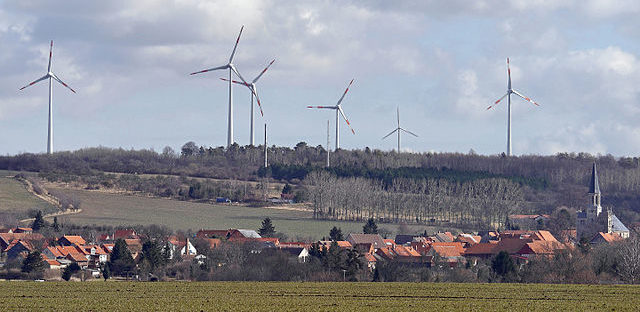
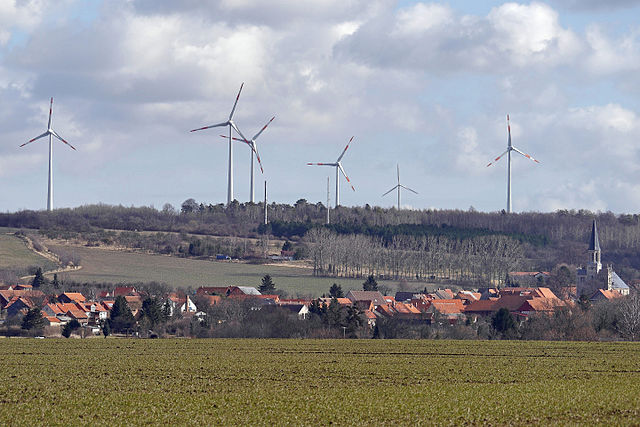
Dardesheim, Germany

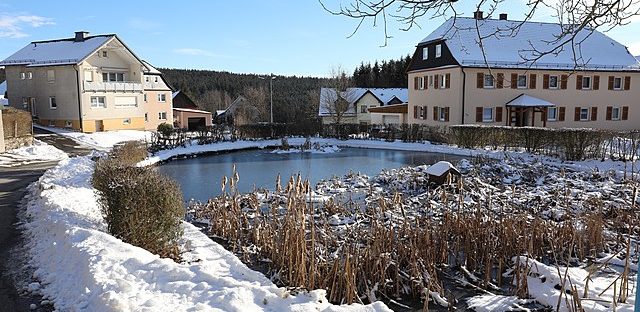
Dardesheim, Germany

  • Target: Energy self-sufficiency by becoming independent from fossil-fuel based energy sources.
  • Status: Achieved
  • RES: 32 wind turbines with a total wind power capacity of 68,9 MW, nine solar power plants, biomass-based heating systems, and household solar collectors.
  • Implementation: Dardesheim has pioneered the use of renewable energy sources in Germany since one of the first wind turbines was erected in Saxony-Anhalt in 1993. This windpark expanded in 1994 following an agreement with a wind turbine company. Today, the local hill of Druiberg is covered with 32 wind turbines with a total wind power capacity that is equivalent to about forty times the total annual electricity consumption of Dardesheim or 15 times the overall energy demand, including electricity, heating or cooling and fuel for transportation. By 2017, seven additional wind turbines and a battery storage system have been added to the system. The storage system works to temper the effects of varying wind conditions. Besides wind power, nine solar power plants also produce one third of Dardesheim’s electricity demand since 2005. In addition, household solar collectors on roofs provide warm water and there are several biomass-based heating systems in town. In 2005, two local car companies started to offer the exchange of diesel-fuel driven engines with biodiesel engines fuelled by domestically grown rapeseed oil. Near the town hall, a plug-in station for electric cars was constructed. The success of the town can be attributed to to the transparency accompanying the overall process. The bimonthly published info sheet ”Dardesheimer Windblatt” is delivered to every household free of charge, providing everyone with the latest developments on the Dardesheim energy project. The wind park regularly offers guided tours.
  • Population: 750 (2011)
  • Area: 0.952 km²
  • Link: Dardesheim Energiekommune
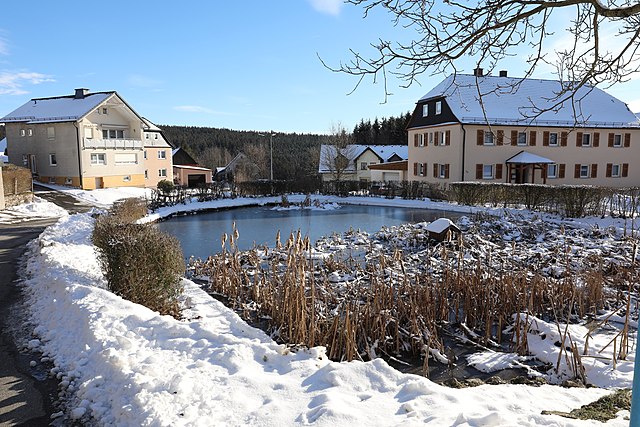
Dardesheim, Germany

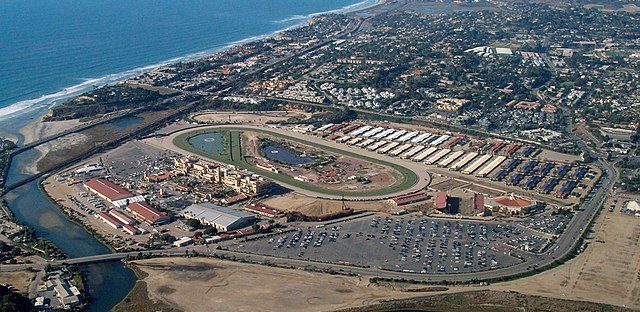
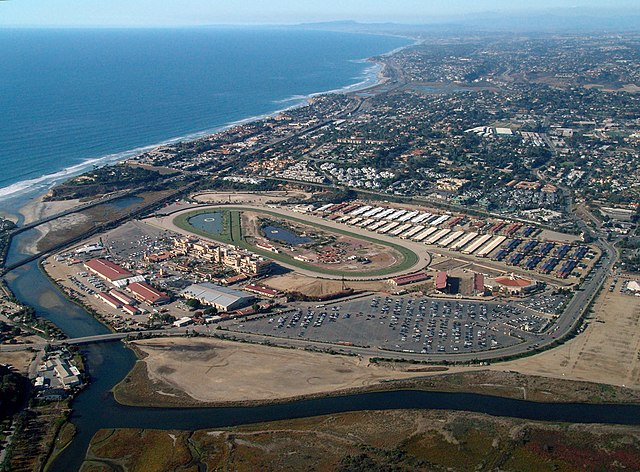
Del Mar, California, USA

Del Mar, California, USA

  • Target: 100% renewable electricity by 2035
  • Status: In progress
  • RES: Solar energy
  • Implementation: Del Mar is a small coastal city in San Diego County, California. In June 2016, its City Council committed by vote to transition the community to 100% renewable electricity by 2035 as part of a municipal climate action plan. The plan includes an interim target of 50% renewable electricity by 2020. Del Mar's 100% renewable electricity goal is in line with the energy goals of neighbouring City of San Diego, as well as the state goal of 80% greenhouse gas emissions reductions below 1990 levels by 2050. This goal also aims to help reduce greenhouse gas emissions to at least 50 percent below the city's baseline 2012 values by 2035.

    To achieve 100% renewable electricity, the city is exploring the adoption of a Community Choice Aggregation (CCA) program with either local cities or San Diego County. CCA is a state law in California and several other US states that allow local governments in Investor Owned Utility (IOU) territories to aggregate their community's bulk buying power to procure electricity at best rates on the wholesale market or through direct contracts with power producers, and in turn sell it back to constituents. The IOUs continue to manage and charge fees for grid services. This method has been shown to help local communities procure higher shares of renewable electricity and offer it to their residents and commercial customers at a lower rate than their local IOU.

    The City of Del Mar aims to achieve 91% of their renewable electricity supply with a combination of utility scale procurement and distributed solar PV, and the rest using Renewable Energy Credits. Other strategies include encouraging the local IOU (SDG&E ) to achieve 100 percent renewable energy procurement by 2035, installing solar PV on new City Hall and other City facilities, with battery storage systems; introducing EV charging stations and replacing the municipal fleet with e-vehicles.
  • Population: 4,365 (2016)
  • Area: 1.78 sq mi (4.60 km2)
  • Link: https://www.delmar.ca.us/680/Go-Green-Del-Mar

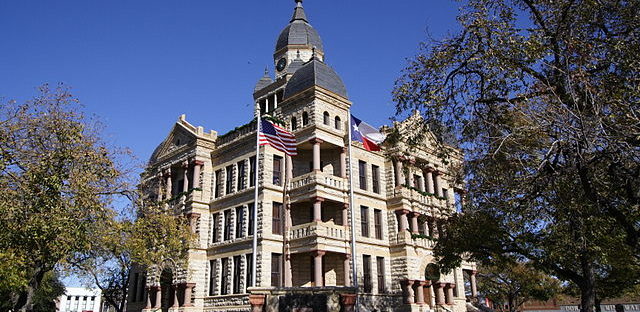
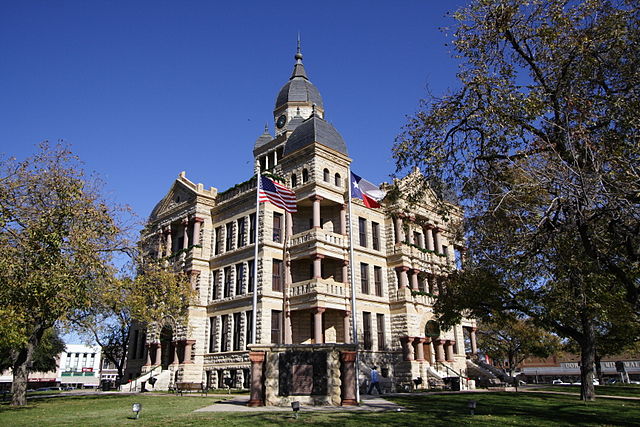
Denton, Texas, USA

Old Courthouse, Denton, Texas, USA

  • Target: 100% renewable energy
  • Status: In progress
  • RES: Community and utility-scale solar installations and energy storage.
  • Implementation: The City of Denton was the second municipality in Texas to commit to transition to 100 percent renewable sources of energy. It began with the City Council revising its Renewable Denton Plan, to include the goal of producing enough energy from renewables to meet 100 percent of its electric needs from contracts with solar and wind developers by 2020. A copy of Denton’s ordinance and staff presentation on the energy plan can be seen here and here. By transitioning to renewable energy, the city aims to save people money on their bills, giving the impetus for city leaders and Denton Municipal Electric to dramatically reduce their reliance on  the Gibbons Creek coal plant, as well as ensuring their next renewable energy investments.
  • Population: 113,383 (2010)
  • Area: 89.316 sq mi (231.33 km2)
  • Link: Denton Municipal Electric (DME)
Old Courthouse, Denton, Texas, USA

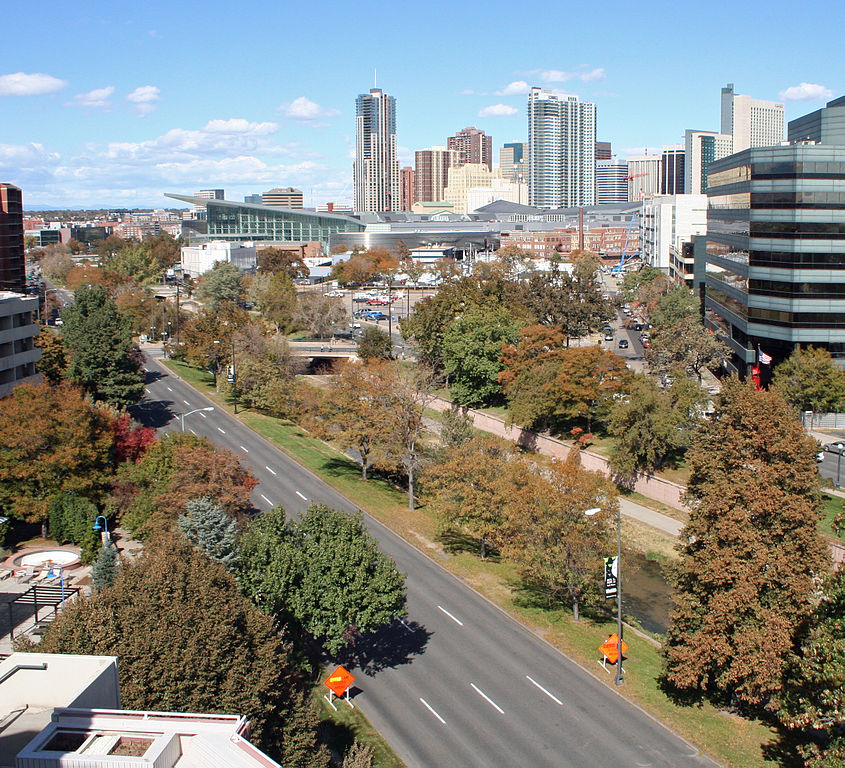
Denver, Colorado, USA

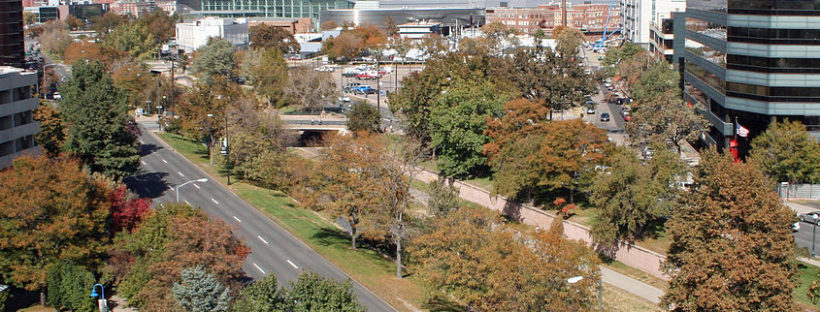
Speer Boulevard, Denver, Colorado, USA

  • Target: 100% clean electricity city-wide by 2030 and 30% by 2020 for investor-owned utilities (state targets), 55% renewable energy by 2026 (electric utility - Xcel Energy target)
  • Status: In progress
  • RES: Solar energy, electric mobility
  • Implementation: The City of Denver is teaming up with utility provider Xcel Energy to invest in a greener future for all. In a state historically dominated by coal and fracked gas, Colorado consumers are now demanding more sustainable energy. Xcel Colorado (Public Service Company of Colorado or PSCO) is laying out major investment plans for clean energy infrastructure. When Denver joined nine other Colorado communities in July 2018 in making the commitment to transition to 100% clean, renewable electricity by 2030, it came on the basis of a Climate Action Plan created in 2015 that pledged to reduce carbon emissions by 80% by the year 2050. Under the leadership of Mayor Michael Hancock, the 80x50 Climate Action Plan would go beyond clean power. It would incorporate strategies for land use and development, home and business efficiency upgrades, and mass transit planning to meet the city’s 80% carbon reduction goal. The plan also includes provisions for a community solar program, a net-zero building code for new construction by 2035, and a fleet of 100% electric light-duty vehicles, taxis, and car shares by 2050.Reaching these goals will require strong strategic partnerships. Denver has received support from more than 50 nonprofits and businesses for its clean energy plans. Organisations include the Working Families Party, the Colorado Latino Forum, the Denver NAACP, the Democratic Party, and the Denver Labor Federation. The local utility, PSCO, has recently finalized encouraging agreements with Colorado communities. Given that Denver accounts for 25% of Xcel’s retail sales, the city has been able to act on community pressure urging the utility transition to clean energy. Xcel has since announced plans to replace two units at Colorado’s largest coal plant with a $2.5 billion investment in clean energy generation. The plan is expected to save more than $213 million, while reducing carbon emissions by 59%. By 2026, Xcel plans for 55% of the energy they generate in Colorado to come from renewable sources. As a model for the rest of the country, Colorado is the first state in which the renewable portfolio standard is set by public vote, rather than by legislation; its abundant wind and solar resources make the transition to clean energy both affordable and logical.
  • Population: 716,492 (2018)
  • Area: 154.97 sq mi (401.36 km2)
  • Link: American Cities Climate Challenge: Denver
Speer Boulevard, Denver, Colorado, USA

Dobbiaco (Toblach), Italy

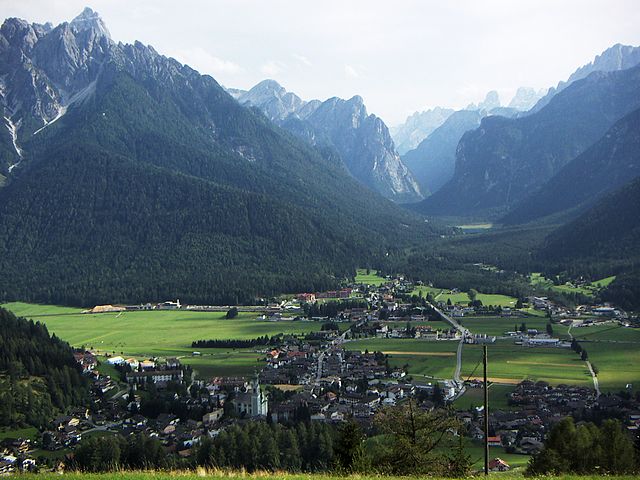
Dobbiaco, Italy

  • Target: 100% renewable energy
  • Status: Achieved
  • RES: Solar PV and thermal collectors, hydro power plant, biomass district heating plant and  biogas facility.
  • Implementation: The city of Dobbiaco is located 1,256 m above sea level, in the Pusteria Valley in the northern Italian region of Trentino Alto-Adige. It was awarded by the Italian Environment League the title of “Renewable Town” in 2009 and 2011, and was also included in the Res Champions League of 2011. In terms of electricity production, extensive energy supply has been achieved through solar PV panels with an installed capacity of 1,590 kW and a 1,783 kW mini-hydro power plant whose production capacity exceeds the electric needs of households of Dobbiaco. There are also 1,350 square meters of solar thermal collectors installed as well as a district heating network connected to two installations. One is an 18 MW thermal biomass plant and the other one is a 132 kW biogas facility. Together they produce more energy than the heating needs of Dobbiaco. The biomass district heating plant opened in 1995 and it is able to also satisfy the heat demand of the neighboring town of San Candido. The biomass used in this plant is composed of locally sourced wood chips derived from pruning residues, bark residues, and wood waste from sawmill and various factories. Thanks to this combination of technologies, Dobbiaco produces more electricity and thermal energy than that is consumed by households.
  • Population: 3,283 (2010)
  • Area: 126.6 km2 (48.9 sq mi)
  • Link: https://www.suedtirol.info/en/experience/sustainable-holiday/south-tyrol-backs-sustainability
Dobbiaco, Italy

East Hampton, New York, USA

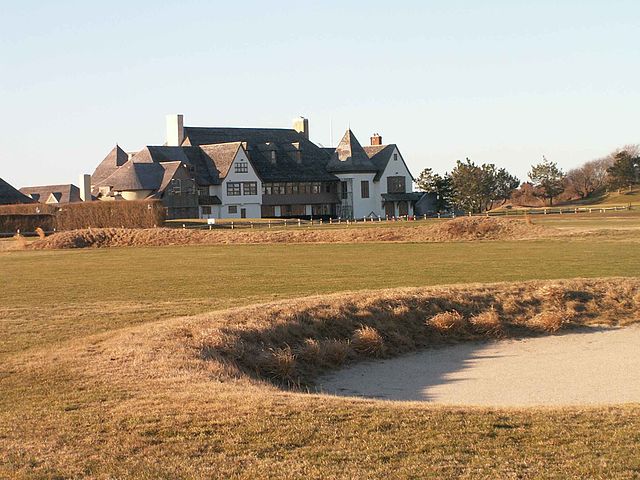
Maidstone Golf Club, East Hampton, New York, USA

  • Target: 100% renewable energy to meet electricity demand by 2020, and heating and transportation demand by 2030.
  • Status: In progress
  • RES: Solar energy and wind power.
  • Implementation: The town of East Hampton, New York is located in Suffolk County on the eastern end of Long Island's south shore. In May 2014, its Town Board voted unanimously to set the 100% goal, making it the first municipal government on the East Coast of the United States to set such a bold target. The goal was motivated by the need to address rising summer peak demand for electricity and to reduce the need for controversial, unattractive new transmission lines that were beginning to go up in the region. By improving energy efficiency and developing local renewable energy, money and jobs in the local economy would also be better ensured.

    The decision was in line with both state and local policy. According to the New York State Executive Order, climate change is to be mitigated by cutting greenhouse gas emissions from all sectors by 80 percent by 2050. In October 2013, the East Hampton Comprehensive Energy Vision was adopted which set specific energy efficiency and renewable energy targets and timelines.

    East Hampton is using available incentives for local renewable electricity development. The local utilities Long Island Power Authority (LIPA) and PSEG Long Island (PSEG-LI) offers a 100 MW solar Feed-in-Tariff with a 7 cents per kwh if a minimum of 40 MW of solar proposals were received for the area. Additionally, LIPA/PSEG-LI had issued a 280 MW Request for Proposals (RFP's) for renewable generation.  The Town issued RFP's for solar proposals on town-owned land and received about 70 MW worth of proposals under both the feed-in tariff and the RFP. By May 2014, LIPA/PSEG-LI had already selected 32MW of solar proposals to be located in East Hampton.

    Wind farms by off-shore wind energy development group Deepwater One are estimated to supply Long Island with over several hundred MW of power. And if all of the projects selected by the town and the proposed offshore wind farm get constructed, the combined energy production from these facilities is estimated to be greater than the East Hampton's annual electricity consumption of 310,000 MWh. Included in this calculation is only 21% of the offshore wind farm's output as it would be shared by five East End towns.

    In May 2018, the renewable energy initiative 'Energize East Hampton' was launched to help connect residents and local businesses to programs that help them reduce their energy consumption, and as a result, lower their energy bills. The program also includes a Solarize campaign, which is supported by the State’s NY-Sun initiative with the aim of increasing the number of grid connected rooftop solar PV systems in East Hampton. Residents and businesses can install rooftop solar PV systems at a discounted price offered via the campaign.
  • Population: 22,009 (2016)
  • Area: 386.55 sq mi (1,001.15 km2)
  • Link: http://energizeeh.org
Maidstone Golf Club, East Hampton, New York, USA

Effelter, Germany

Effelter, Germany

  • Target: 100% renewable energy
  • Status: Achieved
  • RES: Biogas plant, wood chip boiler, cogeneration units, district heating network and solar PV.
  • Implementation: Effelter is a small rural village located in the northern part of Bavaria, Germany. Today, the village is producing 200% of its electricity consumption and meeting all of its heating needs with biomass, a local renewable resource. All of the power plants are owned by local citizens. Effelter's renewable energy transition began in 2001 when the installation of one biogas plant began to quickly garner community interest. The plant was soon supplying all of Effelter's heat requirements. Including two 65 kW combined heat and power units, along with a 500 kW wood chip boiler that provides extra backup in winter, the heat generated was distributed to every house via a 2.4 km / 1.4 mile long hot water pipe network. Combined with the installation of 160kW of solar PV on roofs, the biogas fuelled cogeneration units, the village was able to produce more than twice the electricity it needs.

    Raw material and waste from the agricultural and forestry sectors in the area helps fuel the village's energy plants. The biogas plant sources agricultural waste, liquid manure and grass from local farmers. The wood chips for the boiler plant are sourced from local forestry waste. The by-product from the biogas plant is used as a fertilizer, while the ashes from the wood chip boiler also helps to nourish the local forest.
  • Population: 244 (2015)
  • Link: http://bioenergiedorf-effelter.de/?lang=en
Effelter, Germany

Fayetteville, Arkansas, USA

Mount Sequoyah, Fayetteville, Arkansas, USA

  • Target: 100% clean energy city government operations by 2030, city-wide by 2050
  • Status: In progress
  • RES: Solar energy
  • Implementation: As the first city in Arkansas to commit to 100% clean energy, Fayetteville is leading the state in committing to clean energy goals. The City Council adopted the 100% target by7-1 in January 2018. Its mayor, Lioneld Jordan, took the pledge for the city further by adopting a community-wide 100% clean energy commitment as part of the city’s Energy Action Plan, which outlines bold steps to transition the city to 100% renewable energy sources by 2050. The plan lays out goals and strategies for energy efficient transportation, buildings, waste management, carbon emissions reduction, and more. The mayor’s vision is supported by the University of Arkansas, home of the Razorbacks and the city’s largest employer. The city is also continually exploring clean energy solutions with its existing utility companies, Ozarks Electric and SWEPCO. It is simultaneously looking at solar investments and other energy- efficient upgrades for municipal buildings. It is also launching a bike-share program, strategizing to increase urban tree planting, and working out how to use funds from the Volkswagen settlement to invest in electric-vehicle charging stations for its downtown area.
  • Population: 86,751 city, 549,128 metro (2018)
  • Area: 55.41 sq mi (143.50 km2)
  • Link: http://www.fayetteville-ar.gov/3234/Climate-and-Energy
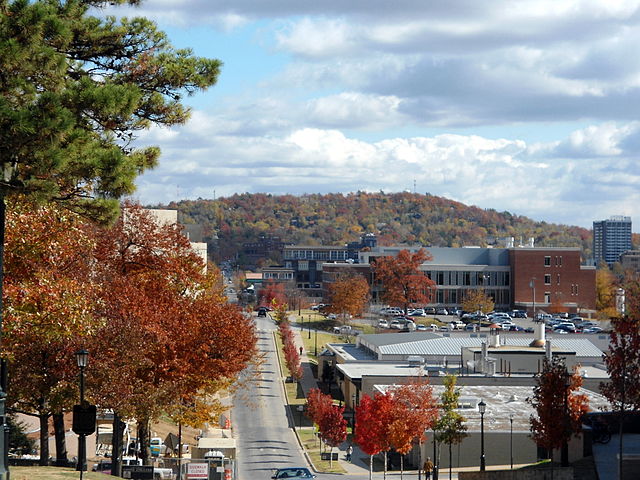
Mount Sequoyah, Fayetteville, Arkansas, USA
  • (Farmers utilising solar in southern Arkansas)

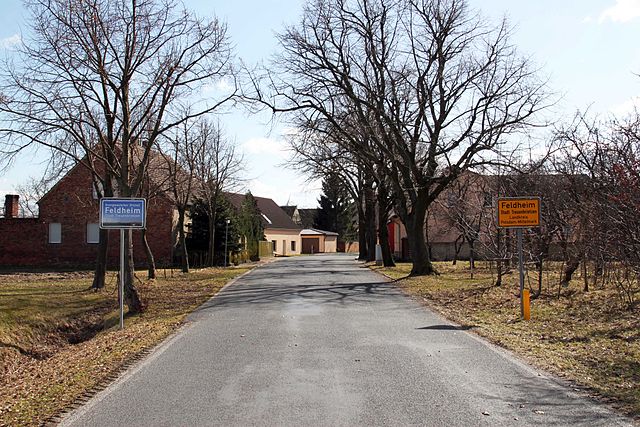
Feldheim, Germany

Feldheim, Treuenbrietzen, Germany

  • Target: 100% renewable energy self-sufficient, climate neutral village.
  • Status: Achieved
  • RES: Wind farm and biogas-fired thermal power station.
  • Implementation: In 1997, Feldheim local council began by installing four wind turbines together with local residents and start-up company “Energiequelle”. By 2015, the number had expanded to 47 wind turbines with a total capacity of 74MW. A battery system saved surplus energy, enough to supply electricity to the village for two days. In 2008, the community decided to build a biogas plant to further reduce energy costs by providing district heating. The biogas-fired thermal power station covers the total heating demand of the village and the surplus heat is used to generate electricity. In that same year, a solar park was added to the system, producing electricity for 600 households. The rapid growth in renewable energy development led to the establishment of the Feldheim Energie GmbH & Co. KG by local citizens. The company planned to directly supply district heating and electricity to the community instead of just feeding power into the national grid. However, the regional utility company E.ON refused to sell nor lease the grid to the villagers. In response, with financial support of the EU, Feldheim decided to build their own electricity and district heating grid, which ultimately made them entirely energy-sufficient (in heating and electricity) and a climate neutral village by 2010. Feldheim sells 99% of the energy produced by its wind park, CO2 emissions have been drastically reduced, energy prices have dropped by a third and citizens are no longer affected by rising gas or oil prices.
  • Population: 128 (2010)
  • Area: 15,7 km²
  • Link: https://nef-feldheim.info/the-energy-self-sufficient-village/?lang=en
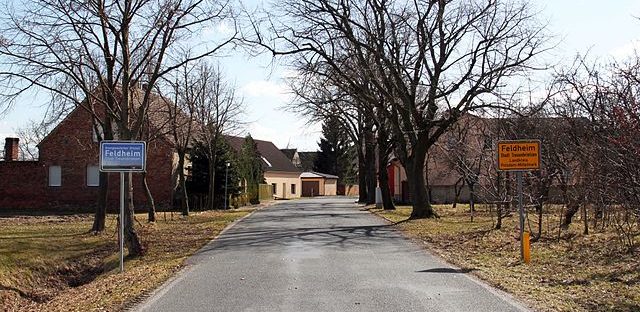
Feldheim, Treuenbrietzen, Germany